
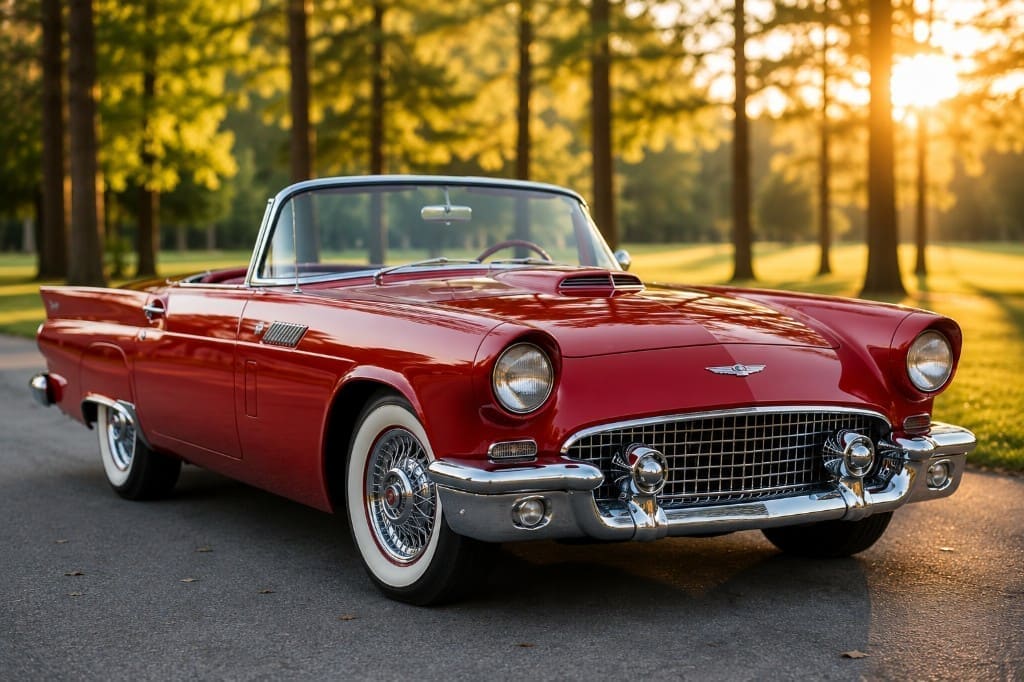

Quick answer Alabama classic car insurance is a specialty policy for collector, antique, and vintage vehicles. It typically pays an agreed value set when the policy starts, rather than the depreciated market value a standard auto policy pays. It usually costs less than regular coverage but requires limited use, secure storage, and a separate everyday vehicle. Alabama's 25/50/25 liability minimum still applies.
What is classic car insurance?
Classic car insurance is a specialty auto policy for vehicles kept for collecting, hobby use, and shows rather than daily driving. Its defining feature is agreed value coverage, which locks in what your car is worth at the start of the policy. In exchange, you accept limits on how often and how far you drive it.
That trade-off is why Alabama classic car insurance often costs less than standard auto coverage on the same car. The insurer is betting that a garage-kept car driven to cruise-ins on Saturday mornings will have fewer claims than a commuter car.
Why does agreed value matter so much?
Agreed value matters because a standard auto policy pays actual cash value, which subtracts depreciation. For a classic, that can mean a check far below what the car is truly worth. With agreed value, if the car is totaled, you receive the amount listed on your policy, minus any deductible, without arguing over its market value.
There are three ways insurers value a vehicle, and the difference matters:
| Valuation method | How it pays after a total loss | Good for classics? |
|---|---|---|
| Agreed value | The amount you and the insurer agreed on when the policy was written | Yes, the standard for collector cars |
| Stated value | The lesser of the stated amount or actual cash value | Often misleading; read carefully |
| Actual cash value | Market value minus depreciation, as determined after the loss | No, can severely underpay |
Stated value sounds like agreed value but often isn't. Many owners don't discover the difference until the settlement check arrives. If a policy says "stated value," ask your agent directly whether you'll be paid that amount or the lesser of that amount and market value.
Who qualifies for classic car insurance in Alabama?
Eligibility rules vary by insurer, but most Alabama classic car insurance policies require the vehicle to be at least 20 to 25 years old or a recognized collectible, kept in good or restored condition, stored securely, and driven on a limited basis. You'll typically need a separate vehicle for daily driving and a clean driving record.
Common requirements include:
- Vehicle age or status: often 20 to 25+ years old, though some modern exotics and limited-production cars qualify.
- Limited use: pleasure driving, car shows, club events, and parades rather than commuting or errands.
- Mileage caps: many policies set annual limits, often a few thousand miles. Some carriers offer flexible or unlimited plans for a higher price.
- Secure storage: usually a locked, enclosed garage. A carport or driveway often won't qualify.
- Everyday vehicle: each household driver typically needs another car insured for daily use.
- Driver history: clean records and minimum age requirements are common.
Modified cars, like restomods and hot rods, can usually qualify too. Just document the work carefully so the agreed value reflects the upgrades.
What does a classic car policy cover?
A classic car policy typically includes the same core coverages as a regular auto policy, such as liability, collision, comprehensive, and uninsured motorist, but adds collector-focused protections. These can include spare parts coverage, restoration coverage, roadside assistance with flatbed towing, and coverage at car shows.
Coverages worth asking about:
- Liability: still required in Alabama at 25/50/25 minimum for any registered vehicle you drive on public roads.
- Uninsured/underinsured motorist: offered on Alabama policies; rejecting it requires a written signature.
- Spare parts: covers rare parts you've collected for future repairs or restoration.
- Restoration in progress: protects a car while it's being rebuilt, with value that can increase as work is completed.
- Flatbed towing: classic cars shouldn't be towed with a hook. Make sure your roadside coverage specifies flatbed service.
- Inflation guard or agreed value increases: helps your coverage keep pace as collector values climb.
- Auto show and travel coverage: protects the car while it's displayed or transported to events.
- Diminished value: some carriers offer it to address lost value after a repair.
How do you set the right agreed value?
To set an accurate agreed value, gather documentation that supports what your car is worth: a professional appraisal, receipts for restoration and parts, recent comparable sales, and detailed photos. Insurers use this to agree on a figure. Review it every year or two, because collector car values can change quickly.
Here's what to bring to the conversation:
- A recent appraisal from a qualified classic car appraiser, especially for high-value or heavily restored vehicles.
- Receipts for parts, paint, engine work, and labor.
- Photos of the exterior, interior, engine bay, undercarriage, and VIN plate.
- Comparable sales from auctions or reputable listing sites.
- Documentation of originality if the car has matching numbers or rare factory options.
Underinsuring saves a little on premium and can cost you a lot at claim time. Overinsuring won't get you paid more than the car is worth; it just raises your premium. Aim for accurate.
Should you register your classic with an antique tag?
Alabama offers special license plates for qualifying antique vehicles, and some owners choose them for older cars used mainly for exhibitions and club activities. Antique plates generally come with use restrictions. Before you switch, check the current rules with your county licensing office and make sure your insurance usage limits match how the plate allows you to drive.
Whatever tag you choose, the car still needs liability insurance whenever it's driven on public roads in Alabama.
How much does classic car insurance cost in Alabama?
Short answer Alabama classic car insurance often costs less than standard auto coverage for the same vehicle because of the limited use and careful storage requirements. Your premium depends on the agreed value, the type of car, annual mileage, storage, your driving record, and the coverages you choose. Higher-value and high-performance cars cost more to insure.
The price-per-dollar of coverage is where classic policies shine. You're often getting more protection, in the form of agreed value, for less money than a standard policy would charge.
How do you get a classic car insurance quote?
To get an Alabama classic car insurance quote, have your car's year, make, model, VIN, photos, appraisal or estimated value, storage details, annual mileage, and information about your everyday vehicles ready. A local agent can compare specialty carriers and explain how each one handles valuation, mileage, and modifications.
Start your quote using the form on this page or call (251) 633-5800 to talk through your car.
Alabama classic car insurance FAQ
What is agreed value classic car insurance?
Agreed value means you and your insurer set the car's value when the policy begins. If the car is totaled, you receive that amount minus any deductible, without depreciation. It's the standard for collector cars.
Is stated value the same as agreed value?
No. Stated value policies often pay the lesser of the stated amount or actual cash value, which can mean a lower payout. Always confirm how a policy settles a total loss.
How old does a car have to be for classic insurance in Alabama?
Requirements vary by insurer, but many require vehicles to be at least 20 to 25 years old. Some modern collectible and exotic cars also qualify.
Can I drive my classic car every day?
Usually not. Classic policies are designed for limited pleasure use like shows, club events, and occasional drives. Daily commuting typically isn't allowed.
Does classic car insurance have mileage limits?
Many policies set annual mileage limits, often a few thousand miles. Some carriers offer higher or flexible mileage options for an added cost.
Do I need a garage for classic car insurance?
Most classic car insurers require secure, enclosed storage such as a locked garage. Outdoor storage often doesn't qualify.
Does classic car insurance cover cars under restoration?
Many carriers offer restoration coverage that protects the car while it's being rebuilt and increases its value as work is completed. Ask about it before you start a project.
Is classic car insurance cheaper than regular car insurance?
Often, yes. Limited use and secure storage reduce risk, so classic policies frequently cost less while offering better valuation through agreed value.
Protect the car you've poured yourself into
A collector car isn't just transportation. It's time, money, and often a piece of family history. Let's make sure your coverage reflects what it's really worth.
Request a classic car insurance quote using the form on this page or call Branyon Insurance at (251) 633-5800.
Ready to compare Alabama classic car insurance?
This article is for general information only. Eligibility, valuation methods, and pricing vary by carrier. Confirm antique tag rules with your county licensing office.